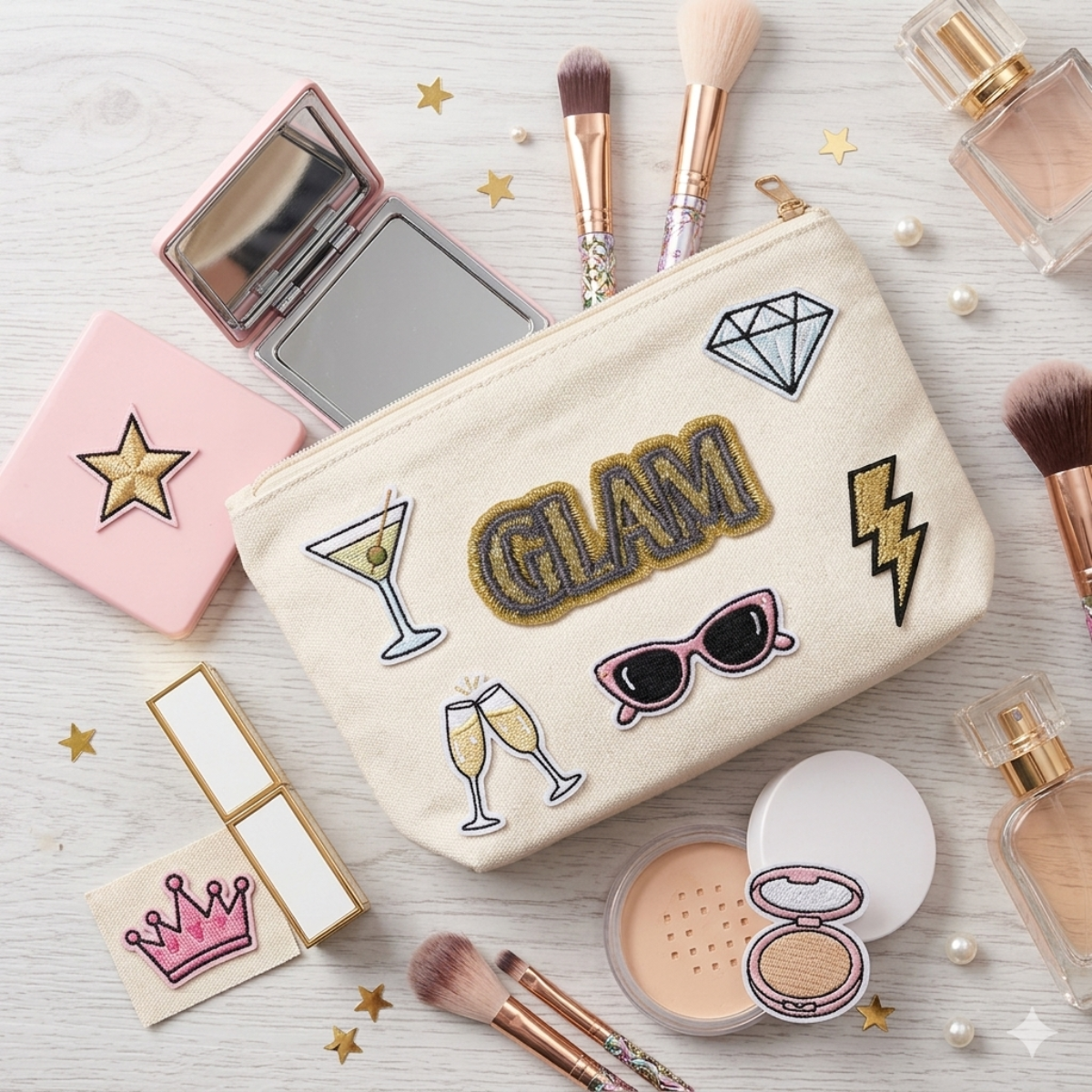
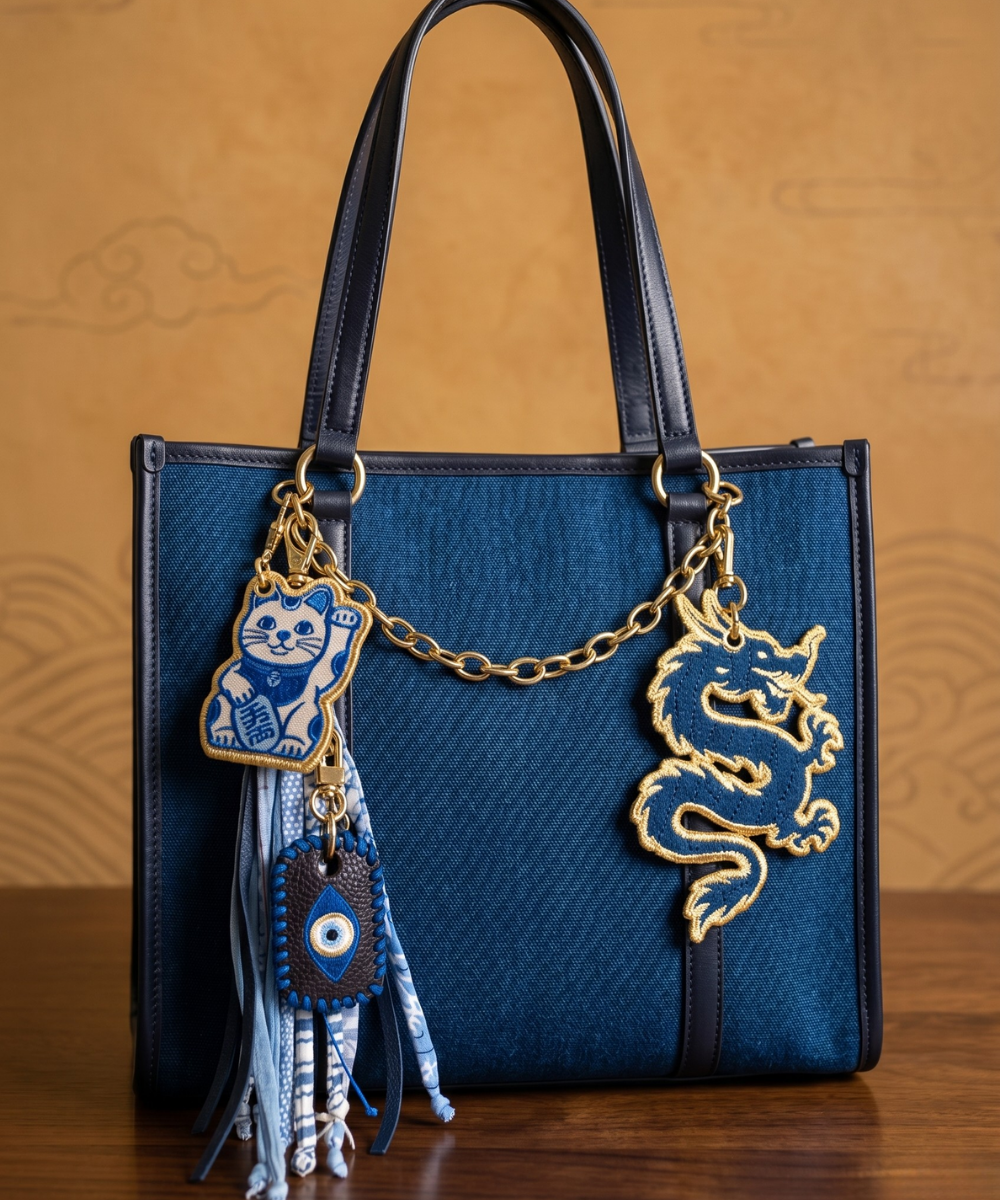
We've totally revamped the Double Sided Charm Tutorial—and honestly, it's a game-changer. The new version strips away the fluff and gives you exactly what you need to create stunning charms without all the head-scratching. Cleaner steps, sharper directions, zero confusion. Download the updated PDF and get creating!

Related Posts
Embroidery Software - Understanding your tools so you can create with confidence
ANITA GOODESIGN Embroidery Software Understanding your tools — so you can create with confidence The software you use to digitize is only a small part in the equation to create a design. If you know how to sew, you can sew on any sewing machine. Likewise, if you can drive, you can drive any car. I find that digitizing software is the same — once you learn how to digitize, you will be able to use any software. With that being said, some software is easier to use than others. There is a lot of digitizing software available these days, whether it is offered by a machine company, retailer, or as a download. When I started digitizing, there were only 2 companies that produced it and they were both very expensive. Now, you can purchase commercial-quality software for $2,000.00 or less. Each brand of software has unique features and is slightly different, but they all have similar features. I have always said that they are all the same type of cake, but with different icing and decorations. One brand may have more decorative stitches, and another may have more automatic features. Usually the higher the price, the easier it is to use and the more features it will have. I always look for things like quality control features, being able to easily manipulate thread settings, and the ability to easily edit a design. You will be able to create the designs in this class using basic digitizing software. If you are in the market for a new brand of software, after this class you will know the right questions to ask. 3 Types of Embroidery Software 1 Viewing Software This type of software allows you to view designs, send them to your machine, and catalog them. These are the most basic of all software and are very low priced — sometimes even free. A great starting point if you just want to organize and preview your design library. 2 Editing Software Editing software allows you to edit designs that were digitized by someone else. It will also let you combine designs, add lettering, and alter designs — basically everything except digitize them from scratch. Perfect if you love customizing existing designs! 3 Digitizing Software Digitizing software allows you to create designs from scratch. There are a lot of different features available and there are usually multiple price points from many different software manufacturers. This is the most powerful category — once you know how to digitize, you can bring any idea to life. 💡 PRO TIP Not sure which type of software you have? Check your program’s feature list. If it lets you open a blank canvas and draw stitch paths from scratch, you’re working with digitizing software. If it only lets you open and adjust existing files, it’s editing software. Either way, knowing your tool helps you use it to its fullest potential! Now You Know Your Software! Whether you’re viewing, editing, or creating from scratch — the right knowledge makes every stitch count. Embroidery Software | Anita’s Studio Series | Anita Goodesign
Learn moreChoosing the right embroidery machine
ANITA GOODESIGN | Anita's Tutorials Choosing the Right Embroidery Machine for Your Studio Understanding machines, features, and what matters most for your embroidery journey So you're ready to invest in an embroidery machine. The question isn't whether embroidery machines are worth it — it's which one is right for you. There are three main categories of machines, each with distinct strengths, and after 30 years in the embroidery business, I've stitched designs on dozens of different models. Let me help you navigate the options. The Three Main Machine Types Embroidery machines fall into three distinct categories, and understanding the differences is key to making the right choice for your studio. 1. Single Needle Home Machines These are the workhorse machines for many embroiderers. They handle both embroidery and sewing, making them incredibly versatile for anyone who likes to piece together quilt blocks on the same machine they use for embroidery. 2. Multi-Needle Home Machines With multiple needles (typically 6 to 10), these machines stitch faster because you don't have to rethread between color changes. They can handle tubular garments and baseball caps, opening up more creative possibilities. 3. Industrial Machines These are the powerhouses — bigger, stronger, and built for production. They can handle large hoops (up to 21"x40"), difficult materials like varsity jackets, and feature multiple needles (up to 18). They're for serious production work. Feature Comparison Chart Here's a quick reference comparing the key features across all three machine types: Feature Single Needle Multi-Needle Industrial Embroidery Yes Yes Yes Sewing Yes No No Tubular Garments No Yes Yes Baseball Caps No Yes Yes Max Hoop Size 12\"x18\" 11\"x18\" 21\"x40\" Speed Slowest Medium Fastest Price Range $1k–$20k $1k–$20k $7k–$15k+ Going Deeper: Key Considerations Does the Machine Quality Really Vary? Here's the honest truth: after 30 years of embroidery, if you stitched the exact same design on 20 different machines and showed them to me without telling me which was which, I couldn't tell you which machine made which stitch. The stitch quality is remarkably consistent across all three machine types. So don't choose based on the assumption that one produces better stitches than another — they don't. What Actually Matters: Speed, Capacity, and Features The real differences come down to four things: speed, hoop size, built-in features, and the ability to handle difficult materials. Understanding Speed: It's More Than Stitches Per Minute When a manufacturer says a machine runs at 1,200 stitches per minute, many people assume that means 6,000 stitches will stitch in exactly 5 minutes. That's not how it works. That rating assumes very small stitches with no thread breaks. Real-world factors that slow things down: • Longer stitches require the machine to slow down for the throw distance • Thread trims and color changes add significant time • The more complex your design, the longer it takes • With all factors equal, industrial machines are the clear speed winners Handling Difficult Materials with Ease Want to embroider a varsity jacket or thick denim without it bunching or falling out of the hoop? Industrial machines win this category hands down. Their size and strength let you stitch on heavier, more complex materials with ease. Home machines have limitations here. Service & Support Matters (Especially for Industrial) Home machines can typically be serviced at your local sewing dealer — quick and convenient. Industrial machines require scheduling a technician to come to you, often for two visits (one to diagnose, one to fix). If you don't live near a technician, repair costs can balloon quickly. This is a huge factor if you're considering going industrial. 💡 PRO TIP One machine is rarely enough. Many of us in the embroidery world own multiple machines — each serving a different purpose. You might have a home machine for everyday work and design editing, and an industrial machine for production-heavy jobs. Making Your Choice Choosing the right embroidery machine is a personal decision that depends entirely on your needs. Ask yourself: • Do I want to sew and embroider on the same machine? • Am I doing hobby work or production? • How much space can I dedicate to the machine? • Do I need to embroider on difficult materials? • How important is speed to my workflow? There's no single right answer — only the answer that's right for your embroidery journey. Consider what you'll be making, how much time you have, and your budget. And remember: whatever machine you choose, the most important ingredient is you and your creativity. Happy stitching!
Learn moreMachine Embroidery Fabrics
ANITA GOODESIGN | Machine Embroidery Fabrics Your complete guide to choosing the right fabric for every project Not all fabrics are created equal, and knowing which to choose makes all the difference in your finished embroidery. Whether you’re working on a quilt, a garment, or a home décor piece, this guide is here to help you pick the right fabric — and know exactly how to work with it. We’ve covered 20 of the most common embroidery fabrics, including their unique characteristics, recommended uses, and our best tips for great results every time. Let’s dive in! COTTON CHARACTERISTICS Soft, breathable, and available in a wide variety of colors and prints. Cotton fabric is easy to embroider on and holds stitches beautifully — it’s the all-star of embroidery fabrics for good reason! USES Ideal for quilting, apparel, home décor items, and general embroidery projects. TIPS Use a universal or sharp needle and a medium-weight stabilizer. Pre-wash your fabric to prevent shrinking before you begin. POLYESTER CHARACTERISTICS Durable, wrinkle-resistant, and often moisture-wicking. Polyester can come in various textures ranging from smooth to coarse. USES Commonly used for sportswear, outdoor gear, and home textiles. TIPS Use a polyester thread for better color matching and durability. Opt for a lightweight or cut-away stabilizer to keep things crisp. LINEN CHARACTERISTICS Natural linen is breathable and has a wonderfully distinct texture. It’s known for its strength and durability — a fabric that only gets better with age. USES Often used in home décor, garments, and table linens. TIPS Stabilization is crucial; lightweight cut-away stabilizers work well. Test your design at lower temperatures to avoid scorching. CANVAS CHARACTERISTICS Heavyweight and durable, canvas has a coarse weave and is available in various weights. It’s a workhorse fabric that handles bold designs with ease. USES Great for bags, outdoor furniture, and wall art. TIPS Use a heavy needle and a cut-away stabilizer to accommodate the thickness. Designs with fine detail may appear less crisp on canvas. SATIN CHARACTERISTICS Smooth, shiny fabric typically made from silk, polyester, or nylon. Satin has a truly luxurious feel that elevates any project. USES Used in high-end garments, evening wear, and accessories. TIPS Use a sharp needle to prevent snagging. A lightweight stabilizer is recommended to maintain the fabric’s beautiful drape. FLEECE CHARACTERISTICS Soft, warm, and wonderfully cozy — fleece has a deep pile typically made from polyester. It’s a favorite for comfort projects of all kinds. USES Popular for winter apparel, blankets, and stuffed toys. TIPS A cut-away stabilizer works best due to the loft of the fabric. Use a ballpoint needle to avoid damaging those soft fibers. DENIM CHARACTERISTICS Heavyweight cotton fabric with a sturdy twill weave. Denim holds stitches well and gives embroidery a bold, distinctive look. USES Ideal for jeans, jackets, and bags. TIPS Use a jeans/denim needle for effective stitching and a heavy stabilizer to prevent distortion during embroidery. BURLAP CHARACTERISTICS Coarse, loosely woven fabric made from jute or hemp with a wonderful rustic appearance — perfect for farmhouse and nature-inspired designs. USES Commonly used for home décor, rustic-themed events, and bags. TIPS Use a cut-away stabilizer and keep designs simpler — intricate patterns generally don’t translate as well on burlap’s open weave. TULLE CHARACTERISTICS Lightweight, fine netting that can be soft or stiff. Tulle is often sheer and delicate — perfect for adding an ethereal touch. USES Widely used for bridal wear, costumes, and decorative accents. TIPS Use a lightweight stabilizer and a ballpoint or fine needle to help prevent tearing this delicate fabric. SILK CHARACTERISTICS Luxurious, soft, and delicate — silk has a natural sheen and drapes beautifully. Working with silk feels like a special treat! USES Ideal for high-end garments and special occasion items. TIPS Always use a sharp needle and test your design on a scrap piece first. A lightweight cut-away stabilizer is usually the right choice. KNITS & STRETCH FABRICS CHARACTERISTICS Fabric with stretch due to its woven construction. It can be cotton, polyester, or blends — and it’s everywhere in modern apparel. USES Used for t-shirts, athletic wear, and baby clothes. TIPS Use a ballpoint needle to avoid damaging the fabric. A cut-away stabilizer is usually best to prevent distortion as the fabric stretches. FELT CHARACTERISTICS Non-woven fabric that is soft and sturdy, available in a rainbow of colors and thicknesses. Felt is forgiving and fun to work with. USES Commonly used in crafts, appliqués, and kids’ projects. TIPS Felt generally doesn’t require stabilization, but always test designs for best results. A standard embroidery needle works well. VELVET CHARACTERISTICS A luxurious fabric with a soft, dense pile that has a stunning depth. Embroidery on velvet looks truly spectacular. USES Ideal for formalwear, upholstery, and accessories. TIPS Use a specialty needle for thick fabrics and a lightweight cut-away stabilizer. Avoid excessive heat when pressing — it can flatten that beautiful pile! ORGANZA CHARACTERISTICS A thin, lightweight fabric that is crisp and sheer, often made of silk or polyester. Organza adds an elegant, airy quality to any project. USES Commonly used for overlays, bridal gowns, and decorative garment features. TIPS Use a lightweight stabilizer and a fine needle, as the fabric can easily tear. Keep the design simple to avoid distorting this delicate material. TAFFETA CHARACTERISTICS A crisp, smooth fabric with a somewhat stiff feel, made from silk or synthetic fibers like polyester with a lovely subtle sheen. USES Often used for evening gowns, formal dresses, and linings. TIPS Use a sharp needle and a lightweight stabilizer. Always test first — taffeta can be tricky with detailed designs. TWEED CHARACTERISTICS A heavy, textured woven fabric made from various fibers, often wool or blends. Tweed has a sophisticated, timeless look and feel. USES Commonly used in jackets, coats, and accessories. TIPS Use a heavy needle to accommodate the thickness, and consider a cut-away stabilizer to give your design the support it needs. MICROFIBER CHARACTERISTICS A synthetic fabric that is soft, smooth, and highly absorbent, typically made of polyester or nylon fibers. Incredibly versatile. USES Widely used for activewear, sports apparel, and cleaning cloths. TIPS Use a fine needle and lightweight stabilizer. Keep tension balanced to prevent the fibers from pulling or distorting. BAMBOO FABRIC CHARACTERISTICS A natural fabric derived from bamboo fibers, known for exceptional softness and breathability. A wonderful eco-friendly choice. USES Ideal for eco-friendly clothing, baby items, and soft home décor. TIPS A universal or ballpoint needle works well here, paired with a lightweight stabilizer for best results. MINKY CHARACTERISTICS A soft, plush fabric often made from polyester with a deep pile similar to fleece. Minky is irresistibly soft and perfect for cuddle-worthy projects. USES Popular for baby blankets, stuffed animals, and soft toys. TIPS Use a cut-away stabilizer to support the embroidery, and a ballpoint needle to navigate the pile without creating unwanted holes. RIPSTOP NYLON CHARACTERISTICS A lightweight yet durable fabric woven with reinforced threads to resist tearing and ripping. An adventure-ready fabric! USES Used in outdoor gear, jackets, and kites due to its strength and lightweight properties. TIPS Use a sharp needle and lightweight stabilizer to maintain the fabric’s integrity. Be cautious with thread tension to avoid puckering. FINAL TIPS FOR WORKING WITH VARIOUS FABRICS ◆ Always Pre-Wash Fabrics Washing fabric before embroidery helps prevent shrinkage and color bleeding, ensuring your design holds up beautifully after laundering. ◆ Test Your Designs Always test your embroidery designs on a scrap piece of your chosen fabric to gauge needle choice, stabilizer, and thread compatibility before committing. ◆ Keep a Fabric Library Maintain a collection of swatches for each fabric type you use frequently, along with notes on the best needle and stabilizer settings. It’s a real time-saver! ◆ Consider Fabric Weight Heavier fabrics may require thicker needles and stabilizers, while lighter fabrics need finer needles and lighter stabilizers. When in doubt, test first. Happy Stitching! We hope this guide helps you choose the perfect fabric for every Anita’s Studio project. Happy embroidering! Machine Embroidery Fabrics | Anita’s Studio Series | Anita Goodesign
Learn more