
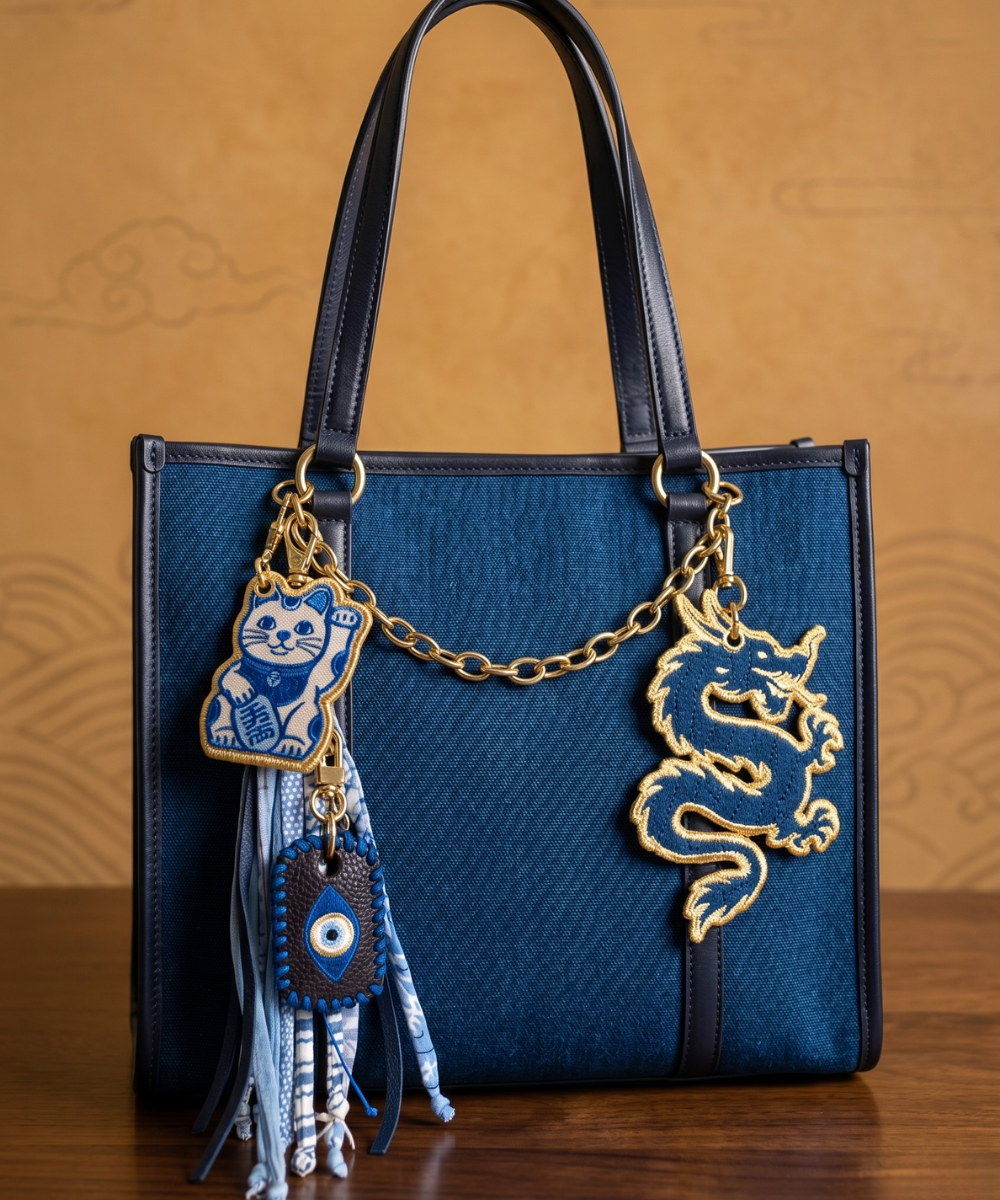
We've totally revamped the Double Sided Charm Tutorial—and honestly, it's a game-changer. The new version strips away the fluff and gives you exactly what you need to create stunning charms without all the head-scratching. Cleaner steps, sharper directions, zero confusion. Download the updated PDF and get creating!

Related Posts
How to Make New Embroidery Look Vintage
After 30 years of chasing perfect stitches, Stephen Wilson is roughing them up on purpose. In this guide, he explains how to make brand-new machine embroidery look like a patch from the 1940s–70s. He covers hand-placed digitizing with irregular fills and rough satin edges, vintage fabric, low-sheen cotton thread like Gunold Cotty (with a 25% density reduction), and distressing with sandpaper, wire brushes, and a Dremel. The post pairs with the Vintage Patches and Vintage Coastal Patches collections. Download the PDF Here
Learn moreThree Ways to Attach a Patch (And the One We Use)
We have been making a lot of patches lately, and every time a photo goes up, the same two questions come in: how do we attach them, and what is that machine in the background? This post answers both. We walk through all three methods — iron-on backing, fabric glue, and sewing — with the process for each and an honest look at what they can and cannot do. Then we get into why we ended up buying a post bed sewing machine to stitch every one of our patches down, and why the worst thing in this craft is a finished piece coming apart in somebody else's hands.
Learn moreWhat Happens When a Design Leaves the Hoop?
Why a tote — a flat canvas panel is honest, nothing hides, and the frame forces real composition decisions most embroiderers never get to make.
Learn more